As fall settles into Portland and the days get shorter, you may notice changes that seem unrelated to the weather.
Maybe you're getting sleepy earlier. Maybe mornings feel harder. Or maybe your usual sleep schedule just feels a little off.
It turns out that light has a lot more to do with these changes than simply helping us see.
Your Body Has an Internal Clock
Your body runs on a roughly 24-hour circadian rhythm that helps coordinate sleep, wakefulness, hormones, body temperature, and other daily processes.
One of the strongest signals your body uses to keep that clock on schedule is light.
Morning light helps signal that it's time to be awake and alert. As the day gets darker, your body begins preparing for sleep, including increasing production of melatonin. Bright light late at night can interfere with that process and make it harder to wind down.

What Changes When the Seasons Change?
Summer makes getting natural light easy. We're outside more, mornings are brighter, and daylight stretches well into the evening.
Fall changes that equation.
We spend more time indoors, mornings are darker, and the sun disappears earlier. For some people, that shift is barely noticeable. For others, it can affect sleep, energy, and mood.
That doesn't necessarily mean something is wrong. Our bodies are constantly responding to changes in our environment. But it does mean that light is worth paying attention to as the seasons change.
One simple place to start is getting outside earlier in the day. Even on a cloudy Portland morning, outdoor light is generally much brighter than typical indoor lighting. A morning walk, coffee outside, or simply getting some daylight before starting your workday can give your body an important daytime light signal.
At night, the goal is almost the opposite. Dimming the lights and reducing exposure to bright screens as bedtime approaches can help reinforce the distinction between daytime and nighttime.

What About Light Therapy?
This is where things get particularly interesting.
Bright-light therapy uses a specialized light box to provide much more light than ordinary indoor lighting. It is used for certain circadian rhythm disorders and is an established treatment for winter-pattern seasonal affective disorder.
For winter-pattern SAD, light therapy commonly involves a 10,000-lux light box used in the morning, although the appropriate timing and duration can vary.
More light isn't necessarily better, though, and a bright lamp isn't automatically the same thing as a therapeutic light box. If you're considering light therapy, it's worth talking with a healthcare professional about whether it's appropriate for you.

And What About Vitamin D?
Shorter days also bring up vitamin D.
Our bodies can make vitamin D when skin is exposed to UVB radiation from sunlight, but how much we produce depends on factors including season, latitude, time of day, skin pigmentation, age, and sunscreen use.
Vitamin D is important for overall health, including healthy bones and muscles. But it's worth separating that from the idea that vitamin D is a treatment for seasonal mood changes. The evidence for using vitamin D specifically for seasonal affective disorder is mixed.
If you're concerned about your vitamin D levels or considering supplementation, talk with your healthcare provider about what makes sense for you.
A Few Simple Things to Try
You don't need to completely overhaul your routine when the seasons change.
Try getting some natural light earlier in the day, spending time outside when you can, keeping your sleep and wake times relatively consistent, and making your evenings a little darker and quieter.
And if you're considering light therapy or supplements, make sure you're using them for the right reason and in a way that's appropriate for you.
Sometimes, paying a little more attention to when, where, and how you get your light can make a surprisingly big difference in your daily routine.
A Few Things We Carry at CHWC
If you're looking at your wellness routine as the seasons change, we also carry a few supplements and products that may fit into your routine.
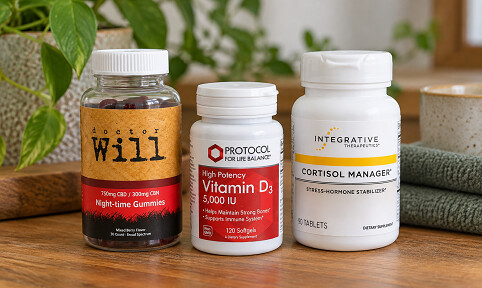
Vitamin D is available at CHWC for those looking to supplement their dietary intake.
We also carry CBD + CBN sleep gummies and Cortisol Manager, which are popular options for people looking to support their evening and nighttime routines.
As always, supplements aren't one-size-fits-all. If you're unsure whether a product is right for you, talk with your healthcare provider.